
Not Every Old Bel Air Home Has Ductwork
A lot of homes in Bel Air and Stone Canyon were built before central air conditioning was standard. Some still heat with wall furnaces or old gravity systems from the original construction. There is no metal duct run hidden in the attic or the crawl space, because nobody ever built one. When a homeowner in one of these houses calls us asking for central air, the first question we ask is not what brand they want. It is whether the house has ducts at all.
This matters more in Bel Air than in a lot of neighborhoods, because the housing stock here spans decades of very different building habits. A ranch-style home from the post-war years might have basic ducts added later for a furnace, while a Spanish revival home from an earlier era may have none at all. Stone Canyon's older cabins and cottages, tucked into the trees off the main road, often fall into this second group. So do some of the smaller original homes in lower Bel Air that predate the larger estate construction the area is known for today.
Why These Homes Skipped Ducts in the First Place
Builders in earlier decades did not plan for whole-house air conditioning the way builders do now. Heat came from a wall furnace, a floor furnace, or a small gravity system that pushed warm air through a single central grille. Cooling, if it existed at all, meant an open window and a breeze off the canyon in the evening. Adding ducts after the fact means cutting into plaster walls, finding a path through a low attic, or running chases through rooms that were never designed to hide mechanical equipment. Many owners over the decades looked at that project, decided it was too disruptive, and lived without central air instead.
The result is a lot of homes today where the bones of the house fight against a traditional forced-air system. Plaster and lath walls are thick and hard to open without a lot of patching. Attics in these older homes can be shallow, barely enough room for a person to crawl through, let alone a full duct trunk. Additions built over the years often sit on their own foundation with their own roofline, cutting off any straight path a duct run would need.
What a Ductless System Actually Solves
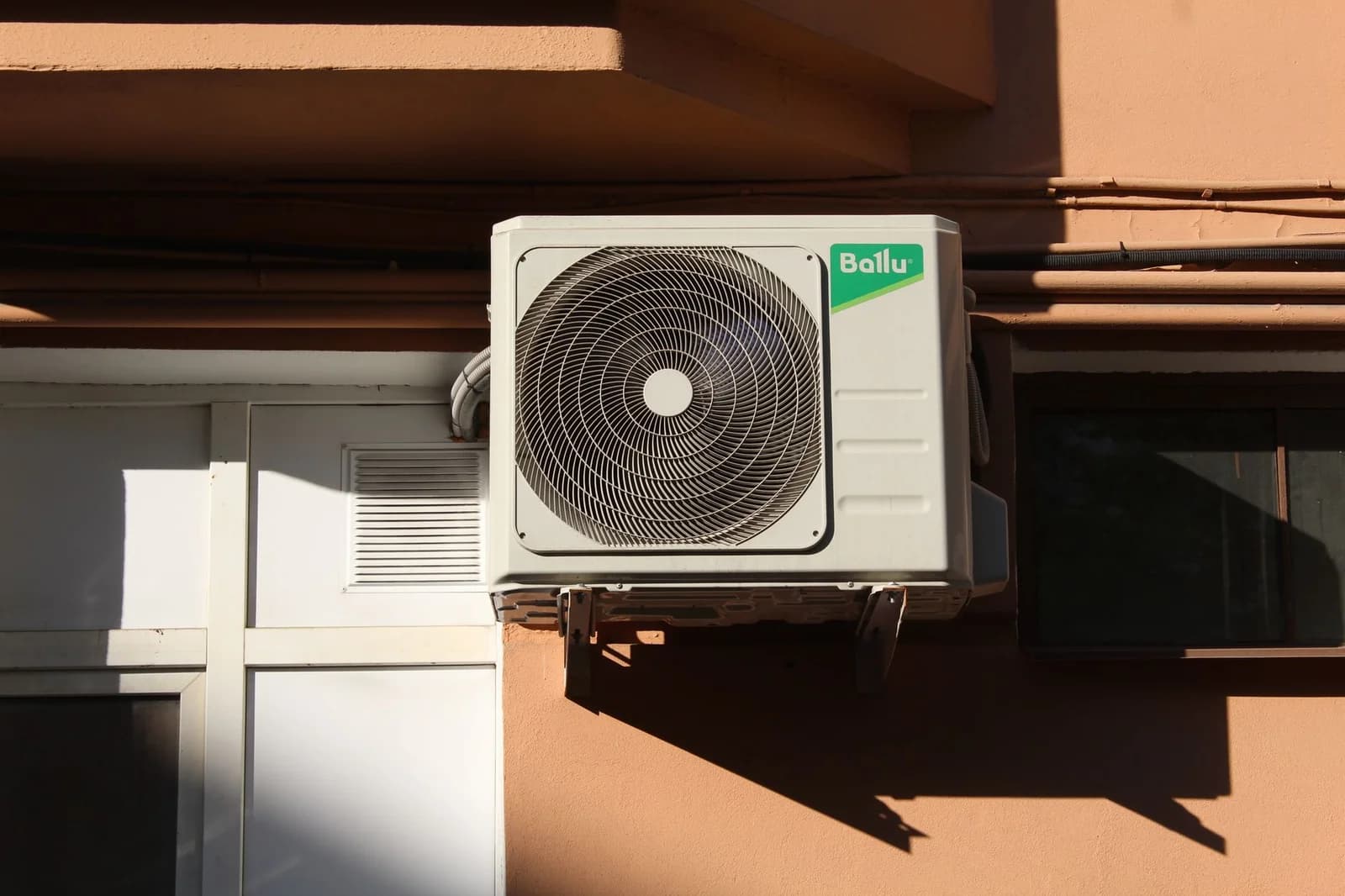
A ductless mini split system skips the duct problem entirely. One outdoor condenser connects to one or more indoor units through a small refrigerant line set, usually about three inches across, that can run through a wall, along a baseboard, or up through a closet. No metal trunk line, no return plenum, no attic chase. For a home that never had ducts and does not want the disruption of adding them, this is often the most direct path to real air conditioning and efficient heating in the same system.
Each indoor head cools and heats its own room or zone independently. That is different from a single central thermostat trying to condition an entire house through one duct system. In an older Bel Air home with a mix of small original rooms and larger added spaces, that kind of room by room control usually fits the house better than a single whole-house setting ever would.
Running Line Sets Through an Old House
The refrigerant line set for a mini split is small enough to route through spaces a full duct never could. We often run it through a closet, up an exterior wall chase, or along a baseboard painted to match the trim. On a plaster and lath home, we plan the path before opening anything, since patching plaster well takes real skill and we would rather cut once in the right spot than patch a wall twice. On homes with additions from different decades, we frequently need a separate short line-set run for each wing, since the original house and a later addition rarely share a clean path between them.
One Outdoor Unit or Several
A single outdoor condenser can often serve several indoor heads, which keeps the number of outdoor units low on a property where exterior appearance matters. On a larger no-duct estate with distinct wings, guest quarters, or a detached studio, we sometimes split the layout across two or three outdoor units instead of one, so a failure in one zone does not take down cooling in the whole house. We size this around how the home is actually used, not just its square footage.
Noise Inside the Room
Indoor mini split heads run quieter than most people expect, closer to a whisper than the window unit sound some homeowners remember from years ago. Mounting position matters. A head placed too close to a headboard or a reading chair will still be noticeable even at low volume, so we walk the room with the homeowner before settling on final placement rather than defaulting to whatever wall has the easiest line-set path.
Heating Without a Furnace
A ductless system heats as well as it cools, which matters for homes still running old wall furnaces or floor heaters from the original construction. Those old units can still work, but they are single-point heat sources. A wall furnace in a hallway does not do much for a bedroom at the far end of the house on a cold canyon evening. A ductless head in that bedroom heats the room directly, on its own thermostat, without relying on heat traveling through a house that was never built to move it around.
What Happens to the Old Equipment
We do not automatically pull out an old wall furnace just because a ductless system goes in. Some homeowners keep the old unit as backup heat, especially if it is still functioning and only used occasionally. Others decommission it once the ductless heads cover every room they actually use it for. Either way, it is worth having a technician confirm that any older gas-fired unit still in place is venting safely if it is going to stay connected, since a unit used only a handful of times a winter can still develop the same safety issues as one used constantly.
Electrical Capacity in Older Homes
Homes from earlier construction eras sometimes have electrical panels that were sized for lighting and small appliances, not for adding cooling equipment. Before we finalize a ductless design, we check panel capacity and available breaker space. On some Bel Air and Stone Canyon properties, that means a small panel upgrade alongside the mini split installation. On others, existing capacity is enough and no electrical work beyond a dedicated circuit is needed.
Whole House vs Room by Room
Not every no-duct home needs every room converted at once. Some homeowners start with the rooms they actually spend time in, a primary bedroom, a living room, a home office, and add more heads later as budget allows. A ductless system is built for that kind of staged approach in a way a full duct installation is not, since each zone is its own independent piece of equipment rather than one system sized for the whole house from day one.
When a Duct Retrofit Makes More Sense Instead
Ductless is not the answer for every no-duct home. A house with an accessible attic, straightforward rooflines, and an owner who wants one central thermostat instead of several small ones might be better served by adding ductwork instead. We walk both options with homeowners honestly, including where a duct retrofit would actually be possible given the house's layout, rather than pushing ductless as the only answer just because it avoids demolition.
Talk to Us Before You Assume the Worst
A lot of homeowners in older Bel Air and Stone Canyon houses assume central air simply is not an option for them because there are no ducts. That is rarely true anymore. Call (877) 378-6985 and we will walk your house room by room, tell you honestly whether ductless, a duct retrofit, or some combination fits your home best, and give you a written plan before anything gets installed.
Need Professional HVAC Service?
Our HVAC-experienced technicians are ready to help with all your AC and heating needs. Contact Bel Air Cooling today for expert service throughout the the Upper Westside service area.